

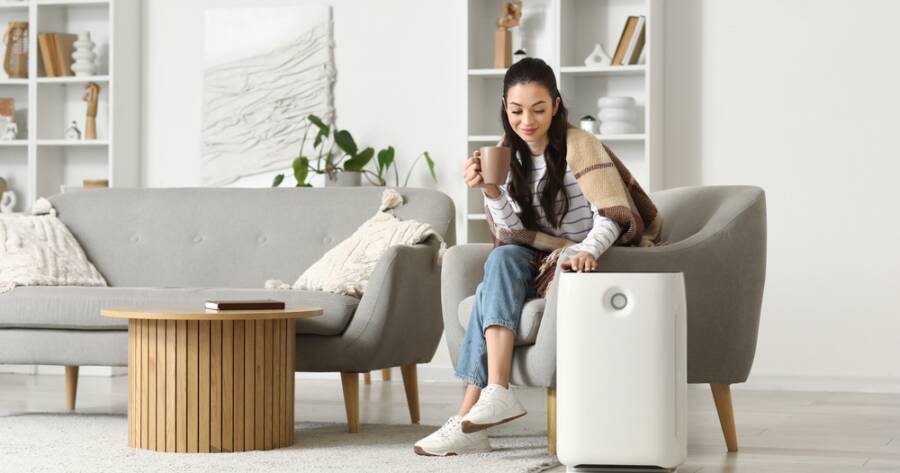
Indoor air quality has a direct impact on how you feel each day, from breathing comfort to sleep and overall well-being. Many homes contain dust, pollen, pet dander, and other particles that are not always visible but still affect daily life. Choosing the right air purifier can help reduce health issues, but not all models work the same way. By understanding your health goals and key features, you can select a purifier that fits your space and supports cleaner air at home.
What Air Purifiers Actually Do
Air purifiers work by pulling in air, filtering out particles, and releasing cleaner air back into the room. The most effective models use HEPA filters, which are designed to capture very small particles like dust, pollen, and pet dander. This makes them a strong option for improving indoor air quality.
Some purifiers also include activated carbon filters. These help reduce odors from cooking, pets, or smoke. While air purifiers can improve air quality, they work best when combined with regular cleaning and proper ventilation. Understanding what they can and cannot do helps set realistic expectations.
Understanding Your Health Goals First
Before choosing a model, it is important to decide what you want the air purifier to improve. Different needs require different features.
If you are dealing with allergies, a purifier with a true HEPA filter and strong airflow is essential. For pet owners, a model with both HEPA and carbon filtration can help with dander and odors. If sleep quality is your focus, a quieter unit with a night mode is a better choice.
Some people are also concerned about smoke or pollution. In these cases, choosing a purifier with a higher airflow rating helps clean the air more quickly. Matching the purifier to your main goal makes the decision clearer and more effective.
Top Air Purifier Models To Consider
Several well-known models are often chosen for home use because they balance performance and ease of use. They include:
- The Coway Airmega series is a strong option for general air quality. These units use multi-stage filtration and are known for steady performance in medium to large rooms. They also include air quality indicators that adjust fan speed automatically.
- The Levoit Core series is popular for smaller spaces like bedrooms. These purifiers are compact, quiet, and easy to use. They are a good choice for improving sleep environments without adding noise.
- The Blueair Blue Pure line is known for combining strong airflow with simple design. These models work well for larger rooms and are often used in homes with pets or higher dust levels. They focus on fast air cleaning with minimal setup.
- The Honeywell HPA series is another common choice, especially for allergy relief. These purifiers are designed with HEPA filtration and are widely used for reducing airborne particles in living spaces.
Each of these models offers different strengths, so the best choice depends on your room size and specific needs.
Key Features To Look For
When comparing air purifiers, a few features are more important than others. A true HEPA filter should be a priority, as it ensures effective particle removal.
Room size is another key factor. Each purifier is designed for a certain coverage area. Choosing the right size helps ensure the unit can clean the air efficiently. A unit that is too small may not perform well, while one that is too large may be unnecessary.
Noise level is also important, especially for bedrooms. Many models include quiet or sleep modes that reduce sound during the night. Some purifiers also include sensors that adjust automatically based on air quality, which adds convenience.
Placement And Daily Use Tips
Where you place your air purifier can affect how well it works. It should be set in an open area where air can move freely. Avoid placing it too close to walls or furniture, as this can limit airflow.
Running the purifier regularly is important for consistent results. Many people keep their units on throughout the day, especially in rooms where they spend the most time. Regular filter replacement is also necessary to maintain performance.
Keeping doors and windows closed while the purifier is running can help improve effectiveness. This allows the unit to clean the air in a controlled space without outside air constantly entering.
Choosing Clean Air With Purpose
Selecting the right air purifier starts with understanding your health goals and matching them to the right features. Whether you want to reduce allergens, improve sleep, or manage indoor odors, the right model can make a noticeable difference. By focusing on filter quality, room size, and consistent use, you can create a cleaner and more comfortable home environment that supports your overall well-being.