

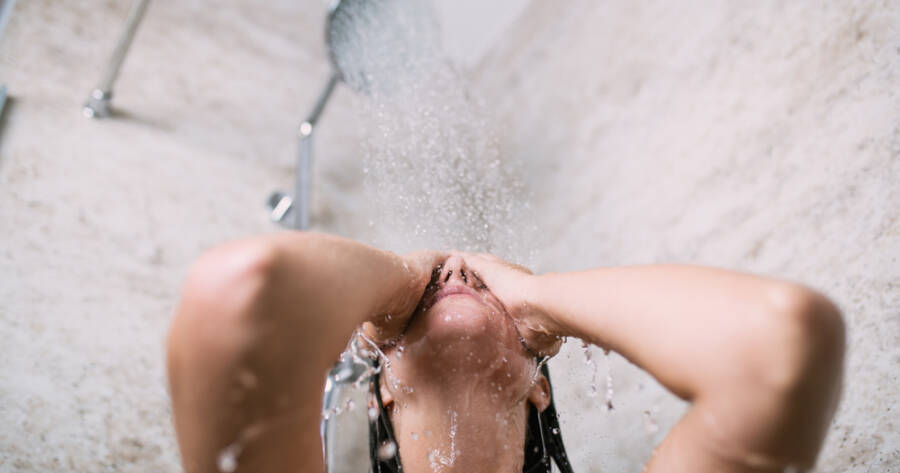
Cold exposure has become a popular part of many wellness routines, especially for people looking to improve recovery, focus, and energy. Two common methods are cold showers and contrast showers, which involve switching between hot and cold water. While both approaches are simple and easy to try at home, they offer slightly different experiences and benefits. Understanding how each method works can help you decide which one fits your goals and daily routine.
What Cold Showers Do For The Body
Cold showers involve using only cold water for a short period of time, usually at the end of a regular shower or as a full session. The sudden drop in temperature causes the body to react quickly. Breathing may become faster, and circulation increases as the body works to maintain its temperature.
Many people use cold showers to feel more alert and energized. The shock of cold water can help wake up the body and improve focus. Some also find that cold exposure helps reduce muscle soreness after exercise. While the experience can feel intense at first, regular use often makes it easier to handle over time.
What Contrast Showers Are And How They Work
Contrast showers alternate between hot and cold water in cycles. A typical routine might include a few minutes of warm water followed by a short burst of cold water, repeated several times. This switching creates a different effect compared to staying in one temperature.
The idea behind contrast showers is to stimulate circulation by expanding and contracting blood vessels. Warm water relaxes the body, while cold water triggers a response that increases alertness. This combination can create a balanced experience that includes both relaxation and stimulation.
Energy And Mental Focus Benefits
Cold showers are often chosen for their immediate effect on energy. The cold water creates a strong physical response that can help you feel awake and ready for the day. This makes them a popular choice for morning routines.
Contrast showers also support energy, but in a more gradual way. The warm water helps the body relax, while the cold water adds a boost of alertness. This combination can feel less intense than a full cold shower, making it easier for beginners. Both methods can support focus, but the experience depends on personal preference.
Muscle Recovery And Physical Comfort
Many people use cold showers after workouts to help with muscle recovery. The cold temperature can help reduce discomfort and create a refreshing feeling after exercise. While it may not replace other recovery methods, it can be a simple addition to a routine.
Contrast showers offer a slightly different approach. By alternating between warm and cold water, they may help reduce stiffness while also promoting circulation. The warm phase can relax muscles, while the cold phase can provide a refreshing effect. This makes contrast showers a good option for those who want both comfort and recovery support.
Ease Of Use And Daily Routine
Cold showers are simple to add to a daily routine. They require no timing or switching, which makes them easy to follow. Some people start with warm water and finish with a short cold period, while others go fully cold from the beginning.
Contrast showers require a bit more planning because of the temperature changes. You need to switch between hot and cold water several times, which can take more effort. However, many people find that the added variety makes the experience more enjoyable and easier to stick with over time.
Tolerance And Comfort Level
One of the main differences between the two methods is how they feel. Cold showers can be challenging, especially for beginners. The sudden exposure to cold water can feel uncomfortable at first, which may make it harder to maintain consistency.
Contrast showers are often easier to tolerate because they include periods of warm water. This makes them a good starting point for people who are new to cold exposure. Over time, users may choose to increase the length of the cold intervals as they become more comfortable.
Which Option Fits Your Goals
Choosing between cold showers and contrast showers depends on what you want to achieve. If your goal is a quick energy boost and a simple routine, cold showers may be the better choice. They are direct and easy to use without extra steps.
If you prefer a more balanced experience that includes both relaxation and stimulation, contrast showers may be a better fit. They offer a mix of benefits and may feel more comfortable for regular use. Both methods can support wellness, so the best choice is the one you can maintain consistently.
Common Mistakes To Avoid
A common mistake is starting too aggressively. Jumping into very cold water for too long can feel overwhelming and may discourage consistency. It is better to begin with short periods and gradually increase exposure.
Another mistake is being inconsistent. The benefits of cold or contrast showers come from regular use, not occasional attempts. Building a routine that fits your schedule helps ensure long-term success. Listening to your body and adjusting as needed is also important.
Finding The Right Approach For You
Cold showers and contrast showers both offer simple ways to support energy, recovery, and daily wellness. While cold showers provide a strong and direct experience, contrast showers offer a more balanced approach with added comfort.
The best method depends on your goals, tolerance, and routine. By starting slowly and staying consistent, you can find an approach that works for you and supports your overall well-being.