

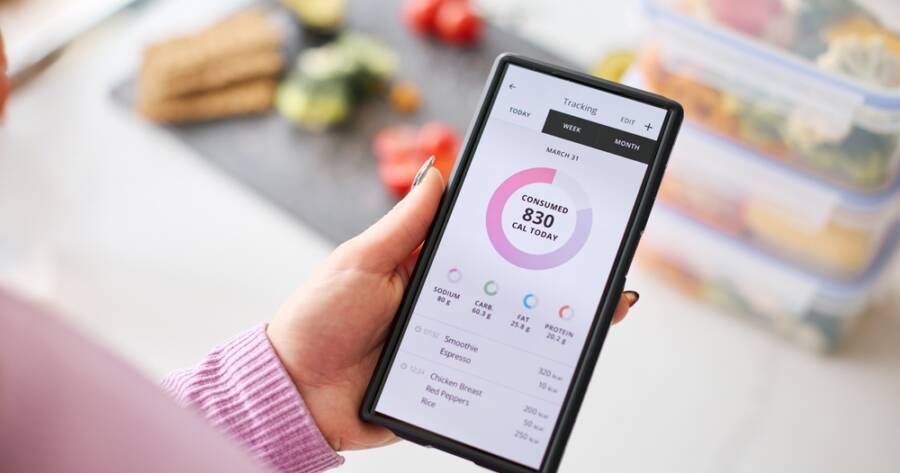
Understanding what you eat each day is one of the most effective ways to improve your health. Many people think they are eating well but still feel low energy or struggle to reach their goals. Calorie tracking apps offer a solution by showing what is really happening with your diet. Top tools make it easier to log meals, track nutrients, and build better habits. With the right app, nutritional awareness becomes part of your daily routine instead of something you guess.
What Calorie Tracking Apps Actually Do
Calorie tracking apps allow users to log food and see how many calories they consume throughout the day. Most apps include large food databases, barcode scanners, and meal tracking features, making it easy to record meals quickly.
Many apps go beyond calories by tracking macronutrients like protein, fat, and carbohydrates. Some also track vitamins and minerals, giving a more complete picture of your nutrition.
This level of detail helps users connect their eating habits to how they feel. Over time, this awareness can lead to better food choices and more consistent progress toward health goals.
MyFitnessPal: A Popular All-In-One Tracker
MyFitnessPal is one of the most widely used calorie tracking apps. It offers a large food database, making it easy to log meals and track daily intake. Users can also set goals for calories, macros, and other nutrients.
One of its strengths is flexibility. It works for weight loss, maintenance, or general health tracking. The app also includes features like recipe tracking and progress charts. Because of its wide range of tools, it is a strong choice for users who want a complete solution in one place.
Lose It!: Simple And Easy To Use
Lose It! is known for its clean design and simple tracking system. It focuses on making calorie tracking quick and easy, which helps users stay consistent. The app includes features like barcode scanning and personalized plans based on your goals.
This app is especially useful for beginners. It removes complexity and makes it easier to build the habit of tracking food. For people who feel overwhelmed by detailed apps, Lose It! offers a more straightforward approach.
Cronometer: Detailed Nutrient Tracking
Cronometer stands out for its focus on detailed nutrition data. It tracks not only calories and macros but also a wide range of vitamins and minerals. This makes it a strong option for users who want deeper insight into their diet.
The app uses verified food data, which helps improve accuracy. It also allows users to set specific nutrient targets based on their health goals. Cronometer is ideal for those who want more than basic calorie counting and prefer a data-driven approach.
Lifesum: Balanced Health And Lifestyle Tracking
Lifesum combines calorie tracking with broader wellness features. It includes meal planning, exercise tracking, and guidance for building healthy habits. This makes it useful for users who want a more balanced approach to nutrition.
The app focuses on helping users make better daily choices rather than just counting calories. It also offers guidance for different diet types, which can help users stay aligned with their goals. Lifesum works well for those who want both structure and flexibility.
FatSecret: No-Fee, Community-Based Support
FatSecret is a fully no-fee calorie tracking app that includes a strong set of features. Users can log food, track exercise, and monitor progress without needing a paid plan.
The app also includes a community feature where users can share tips and stay motivated. This social aspect can help users stay consistent over time. FatSecret is a good choice for those who want a no-fee option with solid tracking tools.
MyNetDiary: Focus On Diet Quality
MyNetDiary goes beyond calorie tracking by focusing on diet quality. It provides insights into food choices and helps users understand how different foods affect their overall health.
The app includes detailed reports and easy-to-read charts, making it easier to see patterns over time. This helps users make informed decisions rather than just tracking numbers. It is a strong option for those who want to improve both nutrition and overall eating habits.
How To Choose The Right App
Choosing the right calorie tracking app depends on your goals and preferences. Some users prefer simple tracking, while others want detailed data. For example, Lose It! is great for ease of use, while Cronometer is better for detailed nutrition analysis.
It is also important to consider how easy the app is to use. If logging meals feels difficult, it becomes harder to stay consistent. Features like barcode scanning and saved meals can make a big difference in daily use.
Trying a few apps can help you find the one that fits your routine. The best app is the one you will use regularly.
Building Awareness Through Simple Tracking
Calorie tracking apps offer a practical way to understand your eating habits and improve your nutrition. By logging meals, tracking nutrients, and reviewing progress, users can make more informed decisions each day.
Apps like MyFitnessPal, Lose It!, Cronometer, Lifesum, FatSecret, and MyNetDiary each provide different strengths. With the right tool and consistent use, nutritional awareness becomes easier to maintain and more effective over time.