

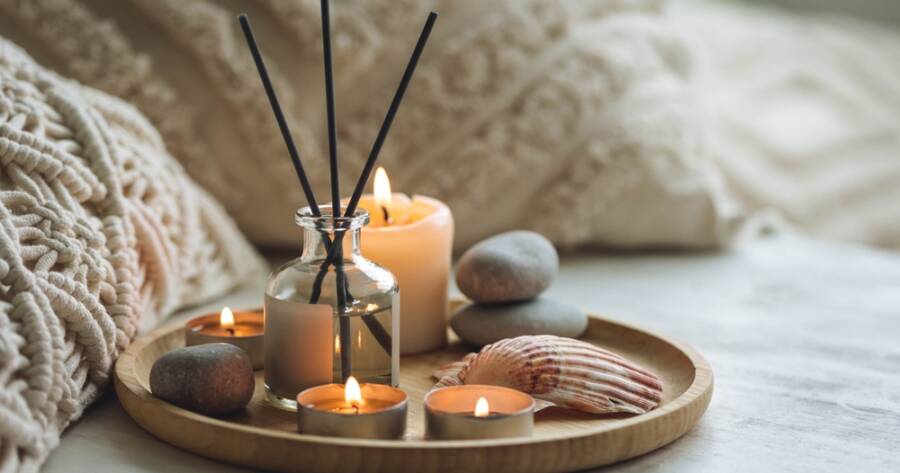
Creating a calm place at home can make a big difference in how you relax and recharge. Meditation does not require a large room or expensive setup, but having a dedicated space can help you stay consistent. A well-designed area can reduce distractions and make it easier to focus. With a few simple steps, you can build a peaceful environment that supports your routine and helps you feel more grounded each day.
1) Choose A Quiet And Comfortable Location
The first step is finding the right spot in your home. This does not need to be a full room. A small corner, a section of your bedroom, or even a space near a window can work well. The goal is to choose a place where you are less likely to be interrupted.
Comfort is just as important as location. Make sure the area feels safe and inviting. If possible, choose a space with natural light, as it can create a calm atmosphere. If noise is an issue, consider using soft background sounds or white noise to reduce distractions.
2) Keep The Space Simple And Clutter-Free
A clean and simple space helps the mind feel more at ease. Too many objects can become distracting and make it harder to focus. Try to keep only the items that support your meditation practice.
Start by clearing the area of unnecessary items. Then add only a few meaningful objects, such as a cushion, a small table, or a calming decoration. The goal is not to decorate heavily, but to create a space that feels open and peaceful. A simple setup can make it easier to settle into your practice.
3) Add Comfortable Seating And Support
Comfort plays a key role in meditation. If you are not physically comfortable, it becomes harder to stay focused. Choose seating that supports your posture while allowing you to relax.
A meditation cushion, yoga mat, or supportive chair can all work well. The best option depends on what feels right for your body. Make sure your seating allows you to sit upright without strain. Adding a soft blanket or cushion can also make the space more inviting and help you stay comfortable during longer sessions.
4) Use Lighting To Set The Mood
Lighting has a strong effect on how a space feels. Bright overhead lights can feel harsh, while softer lighting creates a more calming atmosphere. Adjusting your lighting can make your meditation space feel more relaxing.
Natural light is often the best option during the day. In the evening, consider using lamps, candles, or dim lights. Warm tones tend to feel more soothing than bright white light. The goal is to create a gentle environment that helps your mind slow down.
5) Incorporate Calming Elements
Adding a few calming elements can make your space feel more personal and inspiring. This might include items like plants, soft textures, or simple decorations that bring a sense of peace.
Plants can add a natural feel and help create a more relaxed environment. Soft materials like rugs or cushions can make the space feel warm and comfortable. Some people also like to include items such as books, journals, or meaningful objects that support reflection. Choose elements that help you feel calm without creating clutter.
Now You Need to Create A Consistent Routine
A meditation space becomes more effective when it is used regularly. Building a routine helps your mind associate the space with relaxation and focus. Over time, simply entering the space can signal that it is time to slow down.
Try to use your space at the same time each day, even if it is only for a few minutes. Consistency is more important than length. You can also pair your meditation with other calming habits, such as deep breathing or quiet reflection. This helps strengthen the connection between the space and your practice.
Making The Space Your Own
Your meditation space should reflect what helps you feel calm. There is no single way to design it. Some people prefer a minimal setup, while others enjoy adding personal touches.
Pay attention to how the space makes you feel. If something feels distracting, remove it. If something adds comfort, keep it. Over time, you can adjust the space to better support your needs. The most important factor is that it feels right for you.
Creating A Space That Supports Calm And Focus
Building a meditation space does not require a large effort, but it can have a lasting impact on your daily routine. By choosing a quiet location, keeping the area simple, and adding comfortable and calming elements, you create an environment that supports relaxation.
With regular use, this space becomes more than just a corner of your home. It becomes a place where you can pause, reset, and bring more calm into your day.