

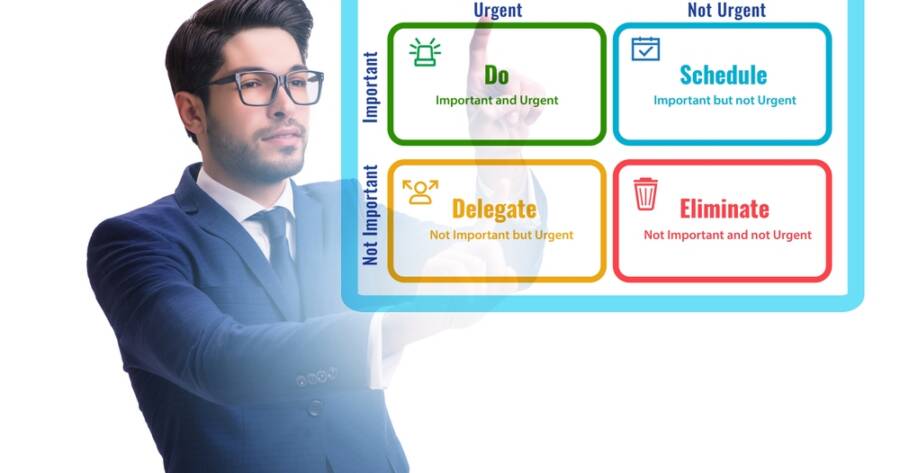
Many people feel busy all day but still struggle to finish important work. The problem is not always the amount of work, but how it is prioritized. Without a clear system, urgent tasks can take over, leaving little time for meaningful progress. The Eisenhower Matrix is a simple tool that helps organize tasks based on urgency and importance. By using it, individuals and teams can make better decisions about where to focus their time and energy.
What The Eisenhower Matrix Is
The Eisenhower Matrix is a four-part grid used to sort tasks by urgency and importance. It helps you decide what to do now, what to plan for later, what to delegate, and what to remove. The goal is to focus on tasks that truly matter instead of reacting to everything that feels urgent.
The matrix is divided into four sections. The first includes tasks that are both urgent and important. The second includes tasks that are important but not urgent. The third includes tasks that are urgent but not important. The fourth includes tasks that are neither urgent nor important. This structure makes it easier to see where your time should go.
Quadrant One: Do First
The first quadrant contains tasks that are both urgent and important. These are the tasks that need immediate attention and have a direct impact on your goals. Examples include meeting deadlines, handling urgent problems, or responding to critical requests.
These tasks should be completed as soon as possible. However, if too many tasks fall into this category, it may be a sign of poor planning. Constantly working in this quadrant can lead to stress and burnout. The goal is to manage your workload so that fewer tasks become urgent over time.
Quadrant Two: Plan And Focus
The second quadrant includes tasks that are important but not urgent. These tasks often support long-term goals, such as planning, skill development, or building relationships. While they may not require immediate action, they are essential for growth and success.
This is the most valuable part of the matrix. Spending more time here helps prevent future problems and reduces the number of urgent tasks. By scheduling time for these activities, you can stay ahead of your work and improve overall productivity. Many people overlook this quadrant, but it often leads to the best results.
Quadrant Three: Delegate When Possible
The third quadrant contains tasks that are urgent but not important. These tasks may feel pressing, but they do not contribute much to your main goals. Examples include interruptions, minor requests, or routine tasks that others can handle.
Whenever possible, these tasks should be delegated. This allows you to focus on more meaningful work. If delegation is not an option, try to limit the time spent on these tasks. Recognizing the difference between urgent and important is key to avoiding unnecessary work.
Quadrant Four: Eliminate Distractions
The fourth quadrant includes tasks that are neither urgent nor important. These activities often take up time without adding value. Examples include excessive social media use, unnecessary meetings, or low-priority tasks.
These tasks should be reduced or eliminated whenever possible. While short breaks are important, too much time spent on low-value activities can reduce productivity. By cutting out distractions, you create more space for meaningful work and better focus.
How To Apply The Matrix Daily
Using the Eisenhower Matrix is simple and can be done daily. Start by listing all your tasks, then place each one into the correct quadrant. This helps you see which tasks need immediate attention and which can be scheduled, delegated, or removed.
Once tasks are sorted, create a plan based on the matrix. Focus first on urgent and important tasks, then schedule time for important but non-urgent work. Delegate or limit less important tasks, and remove distractions. This process takes only a few minutes but can greatly improve how you manage your time.
Common Mistakes To Avoid
One common mistake is treating all tasks as urgent. This can lead to spending too much time in the first quadrant, which increases stress. It is important to step back and evaluate whether a task is truly urgent or just feels that way.
Another mistake is ignoring the second quadrant. Many people focus only on immediate tasks and neglect long-term priorities. This often leads to more urgent problems later. To avoid this, schedule time for important tasks that are not urgent and treat them as a priority.
A Clear Path To Better Priorities
The Eisenhower Matrix provides a simple and effective way to clarify priorities. By sorting tasks based on urgency and importance, it becomes easier to focus on what truly matters.
This method helps reduce stress, improve decision-making, and create better use of time. With regular use, the matrix can turn a busy schedule into a clear and manageable plan that supports both short-term needs and long-term goals.