

Many people work hard every day but still feel like they are not making real progress. It often happens because effort is not clearly connected to results. The idea of tracking “input vs output” offers a simple solution. By separating what you do from what you achieve, you can better understand what actually drives results. Understand how the mindset helps improve focus, reduce wasted effort, and create a clearer path toward meaningful goals.
What Input Vs Output Means
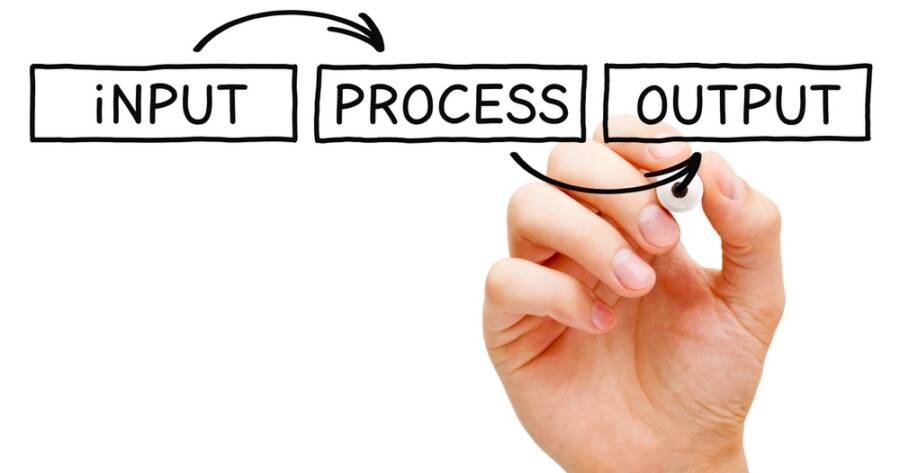
Input refers to the actions you take, such as time spent working, tasks completed, or habits followed. Output refers to the results of those actions, such as finished projects, sales, or measurable progress toward a goal. Both are important, but they serve different purposes.
Tracking input helps ensure that you are putting in consistent effort. Tracking output helps you see whether that effort is producing results. When you look at both together, you can identify which actions are effective and which are not. This creates a more balanced and informed way to manage your work.
Why Focusing Only On Output Can Be Misleading
Many people focus only on results, but this can be discouraging. Outputs are not always immediate, and some goals take time to show progress. If you only track results, it can feel like you are not moving forward, even when you are doing the right work.
Tracking input solves this problem by giving you something you can control each day. For example, you may not control when a project is approved, but you can control how many hours you spend working on it. By focusing on input, you stay consistent and build momentum, which eventually leads to better outcomes.
Why Input Alone Is Not Enough
While input is important, tracking it alone is not enough. It is possible to stay busy without achieving meaningful results. For example, spending hours on low-priority tasks may feel productive, but it does not move you closer to your goals.
This is where output tracking becomes valuable. By reviewing results, you can see whether your efforts are working. If outputs are not improving, it may be time to adjust your actions. This balance ensures that both effort and results are aligned.
How To Identify The Right Inputs
Not all inputs are equally valuable. The key is to identify the actions that have the greatest impact on your goals. Start by asking which activities lead directly to results. These are your high-value inputs.
For example, if your goal is to improve writing skills, high-value inputs might include daily writing practice or editing work. If your goal is to grow a business, it might involve reaching out to clients or improving a product. Focusing on these inputs helps ensure that your time is spent effectively.
Setting Clear Output Goals
Output goals should be specific and measurable. This makes it easier to track progress and understand results. Instead of setting vague goals, define clear outcomes that you want to achieve.
For example, instead of saying “improve productivity,” you could aim to complete a certain number of tasks or finish a project by a set date. Clear output goals provide direction and help you evaluate whether your inputs are working.
Building A Simple Tracking System
Tracking input and output does not need to be complicated. A simple system can be enough. Start by writing down your key inputs and outputs in a notebook, spreadsheet, or digital tool. Update this regularly to keep track of your progress.
You can review your inputs daily and your outputs weekly. This allows you to stay consistent while also checking results over time. The goal is to create a system that is easy to maintain and supports regular reflection.
Adjusting Based On Results
One of the biggest benefits of input vs output tracking is the ability to adjust your approach. If your inputs are not leading to the desired outputs, you can change your strategy. This helps you avoid repeating actions that do not work.
Regular review is important for this process. By looking at your data, you can identify patterns and make better decisions. Over time, this leads to a more efficient and focused workflow.
Avoiding Common Mistakes
A common mistake is tracking too many inputs at once. This can make the system confusing and hard to maintain. It is better to focus on a few key actions that have the most impact.
Another mistake is ignoring outputs for too long. While results may take time, it is still important to review them regularly. Balancing both input and output ensures that your efforts stay aligned with your goals.
Turning Effort Into Results
Tracking input vs output provides a clear way to improve focus and productivity. By understanding the difference between effort and results, you can make better decisions about how to spend your time.
This approach helps reduce wasted effort and ensures that your actions lead to meaningful progress. With a simple system and regular review, input vs output tracking can turn daily work into consistent and measurable results.