

Encouraging positive behavior in children can be challenging, especially when routines are new or expectations are unclear. Many parents look for ways to guide behavior without constant reminders or conflict. Reward systems offer a simple and effective approach by recognizing effort and progress. When used correctly, they help children understand the value of responsibility and consistency. Understand how families use different reward methods to build better habits and create a more positive home environment.
Why Reward Systems Work
Reward systems work because they connect actions with positive outcomes. When children see that their behavior leads to a reward, they are more likely to repeat that behavior. This creates a clear link between effort and results, which helps reinforce learning.
They also provide immediate feedback. Instead of waiting for long-term results, children can see progress right away. This keeps them motivated and engaged. Over time, repeated positive actions can become habits, reducing the need for rewards and reminders.
Sticker Charts For Simple Daily Habits
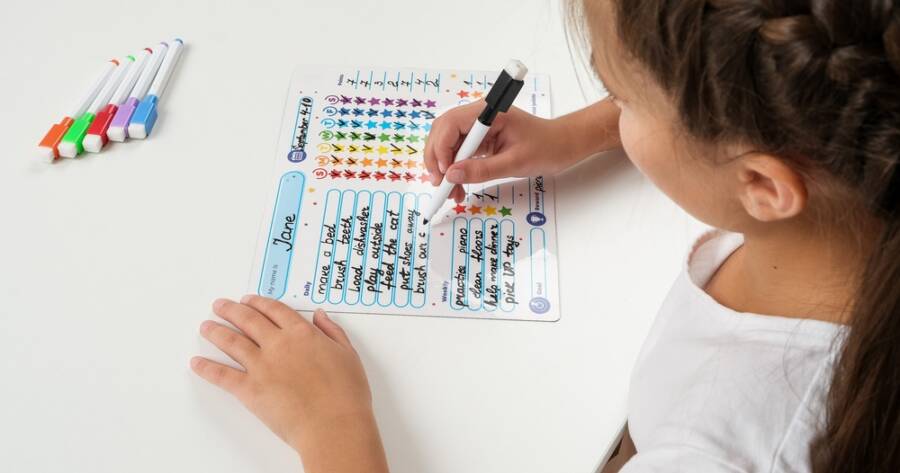
Sticker charts are one of the most common reward systems for younger children. They are easy to use and provide a clear visual of progress. Each time a child completes a task, they receive a sticker. After collecting a certain number, they can earn a reward.
This method works well for basic habits like brushing teeth, cleaning up toys, or completing homework. The visual aspect makes it easy for children to understand their progress. It also creates a sense of accomplishment as they see their chart fill up. Sticker charts are simple but effective for building early routines.
Point Systems For Older Kids
Point systems are a step up from sticker charts and are often used for older children. In this system, children earn points for completing tasks or showing positive behavior. These points can then be exchanged for rewards such as extra screen time, a special activity, or small privileges.
This approach teaches children about earning and saving. It also allows for more flexibility, as different tasks can be assigned different point values. Point systems work well for families who want a structured but adaptable way to encourage responsibility.
Token Economies For Consistent Behavior
A token economy is similar to a point system but uses physical or digital tokens instead of numbers. Children earn tokens for completing tasks and can trade them for rewards later. This method adds a tangible element that can make the system more engaging.
Token systems are especially useful for building consistency over time. Because tokens can be saved, children learn patience and delayed rewards. This helps develop important skills like planning and self-control. It also allows parents to adjust rewards based on progress.
App-Based Reward Systems
Many families now use apps to manage reward systems. Apps like OurHome and BusyKid combine chore tracking with rewards and progress monitoring. These tools allow parents to assign tasks, track completion, and provide incentives in one place.
App-based systems are convenient and easy to update. They also appeal to children who enjoy using technology. Some apps include game-like features, which make the process more engaging. By combining structure with fun, these tools can help maintain interest and consistency.
Experience-Based Rewards
Not all rewards need to be physical items. Experience-based rewards focus on activities rather than objects. Examples include choosing a movie for family night, picking a meal, or planning a special outing.
This approach encourages meaningful experiences and reduces the focus on material rewards. It also helps strengthen family connections. Experience-based rewards can be especially effective because they create lasting memories while still reinforcing positive behavior.
Setting Clear Expectations
A reward system works best when expectations are clear. Children need to understand what behavior is being encouraged and how they can earn rewards. Simple and specific instructions make it easier for them to follow through.
Consistency is also important. Rewards should be given regularly and fairly to maintain trust in the system. If expectations change too often, it can create confusion and reduce motivation. Clear rules help ensure that the system remains effective.
Avoiding Common Mistakes
One common mistake is relying too heavily on rewards. While rewards are helpful, the goal is to build long-term habits. Over time, children should begin to act responsibly without needing constant incentives.
Another mistake is setting goals that are too difficult. If children feel they cannot succeed, they may lose interest. It is better to start with small, achievable goals and build from there. This helps maintain motivation and confidence.
Balancing Rewards With Encouragement
Rewards should be combined with positive feedback and encouragement. Praising effort and progress helps children feel valued and supported. This emotional reinforcement is just as important as the reward itself.
By focusing on both rewards and encouragement, parents can create a balanced system that supports growth. This approach helps children develop confidence and understand the importance of their actions.
Building Positive Habits That Last
Reward systems provide a practical way to encourage positive behavior in children. Whether using sticker charts, point systems, tokens, apps, or experience-based rewards, each method offers a way to guide habits and reinforce effort.
The key is to keep the system simple, consistent, and meaningful. With the right approach, reward systems can help children build responsibility, confidence, and lasting positive habits that support their growth over time.